
First Trip to Maui? Here’s Every Little Thing You Need to Know


Planning a Maui vacation? From the top hotels to all the best things to do, here’s your everything guide to visiting Hawaii’s Valley Isle.
I’ll be honest with you. Maui has a bit of an image problem, and the image is the problem.
You’ve seen the photos. The infinity pool, the mai tai, the sunset so orange it looks retouched. All real, all available.
But if that postcard is the only Maui you plan for, you’ll miss the island that will actually capture your heart (not just your wallet).
Because the Maui I keep coming back for is the one where you’re shivering at 10,000 feet watching the sun come up over a volcanic crater, then eating a fish taco in your swimsuit three hours later. It’s 620 curves of rainforest road, sea turtles asleep on the sand, and a town Upcountry that grows its own lavender and feels nothing like the resort strip.
Note: This post may contain affiliate links. If you choose to book through these links, I receive a small commission, which I will likely blow on mai tais, poke, and shave ice. All of this internet voodoo takes place at no additional cost to you.
Here’s the thing most first-timers get wrong. They treat Maui like one destination when it’s really five, and the part of the island you choose shapes the entire trip.
Get that decision right, and everything else falls into place.
So that’s where I come in. As a Hawaii resident, I’m lucky enough to island-hop over to Maui regularly.
I’ll walk you through each region, the best beaches, hotels worth the hefty price tag, and the must-do adventures (including one beach so popular you need a reservation to get a glimpse of it). I’ll also cover the honest tradeoffs nobody mentions until you’re already stuck in traffic.
If this is your first time planning a Maui vacation, this Maui travel guide is your first step to planning a vacation you’ll always remember.
But before we dive in, let’s talk about one very important topic.
Is it OK to visit Maui after the tragic Lahaina fires?
Yes. Three years after the August 2023 wildfires, Maui is open, and the island needs respectful visitors to support its recovery.
The fires destroyed much of the historic town of Lahaina and took more than 100 lives. Recovery has moved from debris removal into rebuilding, but there’s still a long road ahead.
Unfortunately (and against the wishes of many Maui residents), the county recently reopened Front Street to traffic for the first time since the fire. To be very clear, that does not mean the town is back. Despite what you may have heard on social media.
Most of the historic core is still just cleared lots with a sprinkling of active construction behind fencing. Please don’t drive down Front Street just to see it. This is a sacred place, and many residents have asked visitors to stay away out of respect.
The good news is that the rest of West Maui is open and welcoming. The resort areas of Kaʻanapali, Kapalua, and Napili never closed, and Lahaina Harbor is running whale watching and snorkel tours again.
Many shops and restaurants near the old Cannery Mall have reopened too. Spending your money at these surviving local businesses is one of the most direct ways your trip actually helps.
Another great way to support Maui’s recovery is with a donation to the Maui Strong Fund.
Now that we’ve covered that very important topic, let’s get to know the Valley Isle!
Fun Facts About Maui
There are plenty of things that make Maui special, but here are a few fun facts:
Haleakalā, the House of the Sun: Haleakalā National Park is home to one of the world’s largest dormant volcanoes. Legend has it that the demigod Maui lassoed the sun from its summit to slow its journey across the sky, gifting humanity longer days.
Colorful Beaches: Maui boasts more than 120 miles of coastline, home to 80 stunning beaches. Maui’s beaches feature a unique palette of sand colors, from the golden shores of Wailea to rare red and black sands formed from volcanic lava found near Hana.

Whale Watching Capital: During the winter months, Maui is ground zero for humpback whale watching in Hawaii. The Auau Channel between Maui, Lanai, and Molokai offers sheltered waters where these magnificent creatures come to breed, birth, and nurse their young, providing spectacular sightings.
Agricultural Haven: Maui is known for its diverse agriculture, including the cultivation of the famous Maui Gold Pineapple and Maui onion, lavender farms in Kula, and the winery at Ulupalakua Ranch. The island’s fertile volcanic soil supports a variety of crops, making it a haven for foodies and farm-to-table dining.
Majestic Marine Life: The island isn’t just stunning above sea level. Beneath the waves, the waters house over 50 miles of coral reef, providing a sanctuary for countless marine species. This colorful underwater world makes Maui a premier spot for snorkeling and diving.
Ready for Rainbows: Maui’s frequent rain showers and abundant sunshine create the perfect conditions for frequent and vivid rainbows.
What is Maui Best Known For?
Maui is known for landscapes that range from the lush greenery of the Iao Valley to the lunar landscape of Haleakala Crater.
The Road to Hana is Hawaii’s most famous drive, with winding paths leading to waterfalls, rainforests, and black sand beaches. And Maui’s underwater world offers exceptional snorkeling experiences.

What’s the Best Time of Year to Visit Maui?
Like the rest of Hawaii, Maui has just two seasons – summer and winter.
Summer months – From May to October, you’ll find warm and dry conditions and plenty of sunshine. It’s also the most popular time to visit, with the highest hotel rates and peak crowds.
Winter months – (Also known as whale season!) From November to April, Maui has a slightly cooler and wetter climate. The Christmas season is a terrific time to visit Hawaii.
Read More: Dreaming of a White (Sand) Christmas? Say Aloha to Christmas in Hawaii!🎄🎅🌺
Maui’s weather is as diverse as its landscapes. Each region has its own microclimate. The western and southern shores enjoy sunny, dry conditions, while the eastern part of Maui, especially around Hana, is green and lush due to higher rainfall.
My favorite time to visit – Typically, (Spring) April to June and (Fall) September to November offer the most favorable conditions. During these months, you’re more likely to experience warm, comfortable weather, fewer rain showers, and less crowded attractions.
When is Whale Watching Season in Maui?
Whale-watching season in Maui is from December to April (the peak months are January and February). If whale watching is on your Bucket List, there’s no better place to be than Maui during whale season.
During these months, humpback whales migrate from cold Alaskan waters to the warm, safe waters of Hawaii to mate, calve, and nurse. And Maui is widely considered the best Hawaiian island for close encounters with whales during this annual winter migration.

If you’re looking for the best Maui whale-watching tours, here’s everything you need to know to choose the right boat tour for you: The Everything Guide to the Best Maui Whale Watching Tours
How Many Days Do You Need in Maui?
Maui is a great place to spend a week or more, but you can see a lot in just 3-4 days.
I recommend at least five days to truly appreciate the best of Maui. Be sure to allocate a full day for the Road to Hana.
If you can extend your stay to a full week or more, all the better! Extra days mean you can explore lesser-known trails, relax on the island’s pristine beaches, or even take a day trip to other islands.
Which brings me to…
Can you visit other islands from Maui?
Indeed, you can! Frequent flights from Maui’s Kahului Airport connect you to hotspots like the beaches of Waikiki or the Big Island’s volcanoes.
There are also day tours by ferry to nearby Lanai for a quick taste of that island’s laid-back charm. (There’s also a fabulous cat sanctuary to visit on Lanai!)
Read More: How to Plan a PURRfect Day Trip from Maui to Lanai ⛴️🍍🐈
Each island has its own distinct charm and attractions, and exploring them can add more fun to your Hawaiian holiday.
A quick flight to Honolulu is a great way to see historical sights like Pearl Harbor or have lunch at the food trucks on the North Shore.
Read More: The 7 Absolute Best Things to Do on Oahu (if time is short!)
Or grab a flight to Kauai to see the incredible Na Pali Coast (give yourself a full day for this one!). Hopping between islands is the perfect way to see more of Hawaii while you’re on this side of the Pacific.
Read More: The Ultimate First Time Visitor’s Guide to Kauai
You can also take a day trip to the Big Island to visit Hawaii Volcanoes National Park. Just keep in mind that it would be a very long day and involve a lot of driving…but it’s possible!
Read More: The Ultimate First Time Visitor’s Guide to Hawaii’s Big Island
What to Pack for Maui
In Hawaii, casual resort wear is the name of the game. And even though Maui has a more upscale vibe than laid-back Kauai, there’s still no need to pack anything fancy, even for nicer restaurants.
Aloha shirts for men and lightweight dresses in fun colors for women are acceptable just about everywhere.
Maui’s weather can be a bit of a mix, with sunny days and occasional rain showers. And as I mentioned earlier, the weather can change quickly depending on which side of the island you’re on.
This handy packing list for Maui covers all the bases:
- Lightweight, Breathable Clothing: Think cotton or moisture-wicking fabrics.
- Rain Jacket: A lightweight one can be a lifesaver.
- Heavier Jacket (or thick sweatshirt): If you’re planning to do sunrise at Haleakala.
- Swimwear: For those beach days and waterfall dips.
- Cover-ups: For lounging by the pool or beach.
- Comfortable Footwear: Water shoes for adventures, sandals for the beach, and sneakers for hiking. (Leave the high heels at home!)
- Hat and Sunglasses: Protect yourself from the tropical sun.
- Beach Bag: To carry your beach essentials.
- Reef-Safe Mineral Sunscreen: The only kind available to purchase on Maui.
- Insect Repellent: Ward off the bugs, especially in lush areas.
- Eco-Friendly Tote Bags: For groceries or souvenirs (plastic bags are not a thing in eco-conscious Hawaii).
Maui is all about embracing the island’s natural beauty and resort-casual vibe. With this list, you’ll be well-prepared to enjoy everything Maui has to offer.
How to Get to Maui (by air or sea)
Maui is a small island in the middle of the Pacific Ocean, so there are only two ways to get here – by air or sea. Most visitors arrive by air at Maui’s Kahului Airport from the mainland US or via a connecting flight from Honolulu. But there are also a few cruise ships that call on Maui.
Here’s a quick overview of both:
Maui’s Kahului Airport 🛫
Maui’s Kahului Airport (OGG) is located in the central part of the island. You’ll find all the essential amenities in this modern airport, like car rental counters, visitor information, and hotel shuttles. There are also several shops and restaurants for a quick bite before your flight.

Maui has another airport in West Maui, the Kapalua Airport. This one is near the popular Ka’anapali resort area and is primarily served by Mokulele Airlines with flights from Honolulu.
However, the vast majority of visitors to Maui will arrive at the larger Kahului Airport.
Direct Flights to Maui
There was a time when getting to Maui required a connection through Honolulu. But those days are long gone, and today flying nonstop to Maui is easy thanks to a variety of airlines with direct flights to Kahului Airport.
Hawaiian Airlines operates frequent flights from several mainland cities. As do Alaska Airlines, American Airlines, United Airlines, Southwest, and Delta. Cities with nonstop flights to Maui include Los Angeles, San Francisco, Seattle, Phoenix, Denver, and Chicago (and seasonal flights from Atlanta).
How to arrange a lei greeting 🌺
Contrary to popular belief, you won’t be welcomed at the Maui airport with a traditional lei greeting. Unless, of course, you arrange it in advance!
I love this idea, especially if it’s your first time visiting Hawaii or if you’re coming for a special occasion like your honeymoon. This Maui Kahului Airport Orchid Lei Greeting is the perfect welcome to paradise!
Maui’s Cruise Ship Port 🚢
Travelers arriving in Maui via cruise ship dock at Maui’s only deep-water cruise ship port, also located in Kahului. This port welcomes a variety of cruises that sail through the Hawaiian archipelago.

Cruise ships stay overnight in Maui, allowing passengers enough time to enjoy a variety of excursions to nearby attractions or relax on the picturesque beaches. A cruise around the Hawaiian Islands is a great way to see all four of the main islands on a single trip.
Do I Need a Rental Car on Maui? 🚗
I vote yes. With a rental car, you’ll have the freedom to discover secluded beaches, hidden waterfalls, and scenic lookouts on your own schedule. Car rental agencies are available at Kahului Airport but you’ll definitely want to book well in advance to ensure availability and get the best rates.
When it comes to rental cars, Discount Hawaii Car Rental is my go-to site.

Discount Hawaii Car Rental
For rental cars in Hawaii, go to the local experts. They’ll find you the best rate among all the major companies with no booking fees. And their customer support is top-notch.
If you choose not to rent a car and want to arrange an airport transfer to your hotel, this Maui Airport to Hotel Shared Airport Transfer is a great, affordable option.
Where to Stay in Maui – Hotel vs Vacation Rental
When it comes to where to stay in Maui, your primary options are full-service resorts or limited-service vacation rentals.
Hotels & Resorts – Maui is world-famous for amazing full-service resorts featuring all the typical amenities – pools, spas, restaurants, and concierge services. For convenience, luxury, and pure relaxation, it’s hard to go wrong with one of Maui’s incredible resort properties.

South Maui’s Wailea and West Maui’s Kaanapali are the top areas for resorts. Of course, not surprisingly, these fabulous properties often come with a hefty nightly price tag.
Vacation Rentals – Larger and more affordable vacation rentals are another extremely popular option, especially in the South Maui area of Kihei. Vacation rentals can be great for larger families, with more space and kitchens for saving money on dinners out.
Get to Know the Regions of Maui
Maui has five regions, and where you decide to stay shapes your whole trip. From the beaches you’ll swim at to how much time you’ll spend in the car, location is important.
Most first-timers land in one of two areas, with the other three saved for specific kinds of trips.
South Maui (Wailea and Kihei) is my favorite. Wailea is the polished luxury strip with the best beaches and dining, while neighboring Kihei offers the same sunshine at a friendlier price. For a 5-star stay, the Grand Wailea is the iconic, family-friendly splurge right on Wailea Beach.
Read More: We Spent a Weekend at Maui’s Exclusive Grand Wailea Resort (What We Loved & What We Didn’t!)

West Maui (Kaʻanapali and Kapalua) is the other big resort hub, home to one of Hawaii’s most famous beaches and some of the island’s best shore whale watching in season. The Westin Maui Resort & Spa, Kaʻanapali hits the sweet spot between luxury and value on this side.

Central Maui (Kahului and Paia) is affordable and central, and Paia is your launch pad for the Road to Hana. The new Hampton Inn Maui North Shore is an oceanfront, well-priced option with a great pool. It’s perfect if you plan to spend your days exploring rather than parked on one beach.
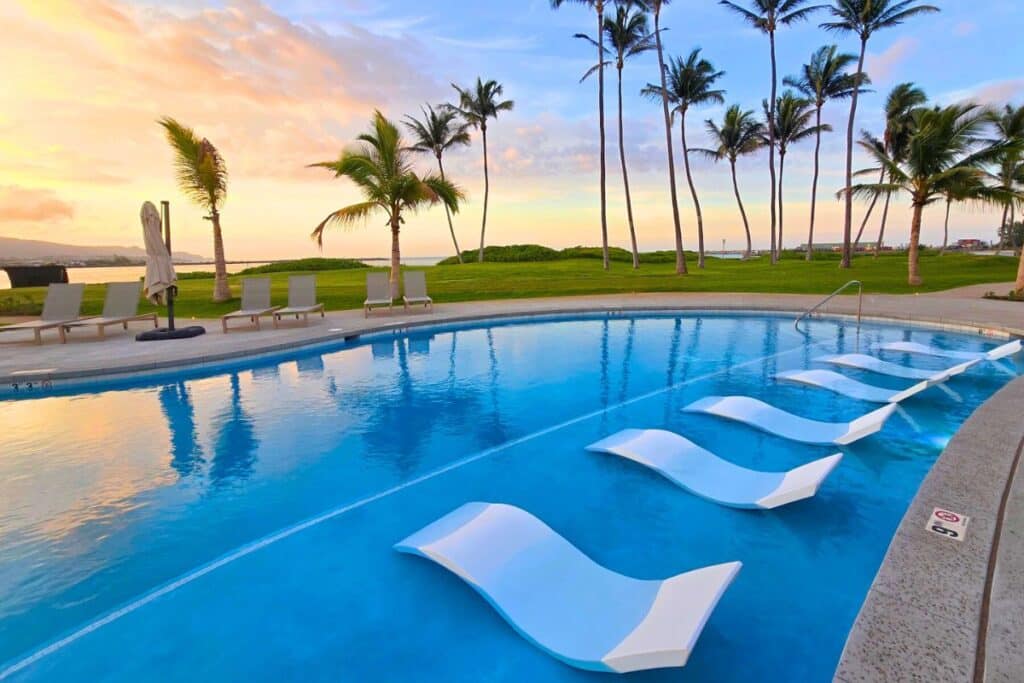
Upcountry is cool, green, and dotted with family farms. It’s ideal if you’re chasing a Haleakala sunrise or just looking for a whole different vibe from the beach resorts. There aren’t many hotels up here, but the rustic and charming Kula Lodge is one of my favorite places to stay on the whole island.
Read More: You Haven’t Really Seen Maui Until You’ve Explored This Stunning Sky-High Region🌿

Read More: Sinatra & Hepburn Adored This Sky-High Maui Retreat (& You Will, Too)
Remote East Maui (Hana) trades resorts for waterfalls and quiet, and the serene Hana-Maui Resort, a Destination by Hyatt, is the one standout place to stay out there.

That’s the quick version. But it’s not enough to make an educated decision. For the full breakdown, with each area’s pros and cons, the activities close by versus a long drive away, and my top hotel picks at every price point, read this…
👉 Where to Stay in Maui: The Pros & Cons of Wailea, Kaanapali, & More!
5 Best Things to Do on Maui
Exploring Maui is the best part of a visit to this Hawaiian paradise. There are hundreds of things to see and do around the island to add to your Maui Bucket List. But here are the top Maui experiences that I consider must-dos:
1. Drive the Road to Hana
A scenic drive like no other, this iconic 64-mile drive is not just about the destination but the journey. With over 600 curves and more than 50 bridges, the Road to Hana is a thrilling (and sometimes a little scary!) adventure.

Meander through lush landscapes, hike to waterfalls, and walk along black sand beaches.
It’s an unforgettable experience with jaw-dropping vistas at every turn. If you’re hesitant to drive it yourself, this Small Group Road to Hana Adventure Tour is the #1 Road to Hana tour on the island.
If you do decide to drive it yourself, I highly recommend downloading the Shaka Guide for the Road to Hana:

The Shaka Guide App
If you’re a DIY kind of traveler like I am, this is the perfect app to download for your Hawaii vacation. These GPS-guided audio tours are fun, easy to follow, and a super affordable way to explore the islands. I bought the whole Hawaii package when we moved here but you can also purchase individual tours.
And don’t forget (if you drive yourself!) that you must make advance reservations to visit Waiʻānapanapa State Park (the spectacular black sand beach).
Reservations can be made on the Hawaii State Parks Website.
Read More: Maui’s Road to Hana: Iconic Adventure 🌈 or Risky Road Trip? ⚠️
2. Watch the Sunrise at Haleakala
Rise early and witness the breathtaking sunrise from atop Haleakala National Park. For the best experience, make sure you arrive well before dawn and dress warmly. Later, explore its vast crater and the surrounding surreal landscape that resembles the moon’s surface.

Don’t forget you’ll need a reservation for sunrise (more on that below). If you can’t score a reservation, you can still visit for sunrise by booking a tour like this top-rated Haleakala Sunrise Tour.
While you’re up there, keep an eye out for the famous silversword plants. Found only on the high-altitude volcanic slopes of Haleakalā on Maui and on Mauna Kea and Mauna Loa on the Big Island of Hawai’i, the rare plant is a unique sight.

With a lifespan of 3 to 90 years, they flower only once in their lifetime (just before they die), sending up a soaring stalk of gorgeous deep purple blooms. If you’re fortunate enough to spot one in bloom, you’ll never forget it!
3. Snorkel at Molokini Crater
This crescent-shaped, partially submerged volcanic crater is one of Hawaii’s premier snorkeling and diving spots. Molokini Crater is a marine sanctuary known for clear waters and over 250 species of tropical fish.
A short boat trip brings you to this snorkeling paradise with unparalleled underwater visibility and abundant sea life. The best boat trip for Molokini is the Molokini Snorkeling Adventure Aboard Calypso.
But, while this is a fun day trip, it can also feel very crowded. And you’ll likely find some good snorkeling right off the beach by your hotel, too!

Note: Just because these are the 3 most popular things to do on Maui doesn’t mean they’re right for YOU. Here’s what to know before you book:
Yes, it’s OK to Skip These 3 Super Popular Maui Experiences (Here’s Why)
4. Explore ʻĪao Valley State Monument
Wander through this lush, peaceful 4,000-acre state park to see the ʻIao Needle, a natural rock pinnacle, and learn about the valley’s significant cultural and spiritual history.

Note: As of May 1, 2024, ʻIao Valley is now the 4th Hawaii State Park to require reservations for out-of-state visitors (the others are Oahu’s Diamond Head, Kauai’s Hāʻena State Park, and Maui’s Waiʻānapanapa State Park).
Reservations can be made on the Hawaii State Parks Website.
Read More: The Emerald Peaks of This Iconic State Park Are a Must-Visit on Your Maui Vacation
5. Go Whale Watching
Maui is one of the best places to watch humpback whales in their natural habitat. The peak season runs from December to May and if you visit during those months, a whale-watching boat trip is a must.
I like morning boat tours like the terrific Eye-Level Whale Watching Eco-Raft Tour for the smoothest ride and the highest likelihood of sightings.
Read More: First Trip to Maui? Here Are 10 Things You Don’t Want to Miss!
3 Maui Activities That Require a Reservation
Not surprisingly, several of the top experiences in Maui are also the most popular and have recently introduced reservation systems to avoid overcrowding.
Read More: Headed to Maui? Here are 3 Reservations to Make Now 🌺📆💻
If you plan to do any of the following, mark your calendar to make those reservations as soon as you’re allowed to:
Haleakalā National Park Sunrise Viewing: One of the most awe-inspiring experiences on Maui, watching the sunrise from the summit of Haleakalā, requires reservations for each vehicle.
Assuming you’re arriving by car, you’ll need two things:
- A Private Vehicle Pass ($30)
- A specific Sunrise Reservation (additional $1 fee).
One reservation and vehicle pass covers entry for everyone in the car.
Reservations can be made up to 60 days in advance on the park’s website and are highly sought after.
Waiʻānapanapa State Park: While the Road to Hana itself doesn’t require reservations, you will need a reservation for this popular state park along the road.
The park’s black sand beach is the top attraction here, and the reservation system ensures visitors have access to parking and facilities without overcrowding.
The entry fee is $5 per person, and parking will cost you another $10. Reservations can be made up to 30 days in advance on the Hawaii State Parks website.
ʻĪao Valley State Monument: Advance reservations are also now required for the ʻĪao Valley State Monument. The entry fee is $5 per person, parking is $10, and reservations can be made up to 30 days in advance on the Hawaii State Parks website.
If you can’t score a reservation, you can still visit all of the above by booking an organized tour.
Best Maui Beaches
Whether you prefer bustling beach parks or quiet coves, Maui’s beaches captivate with their natural beauty and inviting waters. Here are some of the best beaches on Maui:
Wailea Beach is one of my favorite beaches for its golden sands and clear, azure waters, perfect for swimming and sunbathing.
Ka’anapali Beach is famous for cliff diving ceremonies at sunset and offers excellent snorkeling with vibrant marine life.
Ho’okipa Beach – For turtle spotting, this popular beach on Maui’s north shore is the place to be.

Wai’anapanapa State Park – For something truly unique, this striking black sand beach along the Hana Highway is a must-see.
Read More: 5 Unforgettable Maui Beaches (Don’t Leave Hawaii Without Seeing #3)
Best Maui Luaus
For an authentic Hawaiian experience, you can’t miss attending a luau during your stay in Maui. My two favorite luaus on Maui are the Te Au Moana Luau at The Wailea Beach Marriott Resort and the Maui Nui Luau at the Sheraton Maui Resort & Spa.
Best Maui Hikes
For avid hikers, Maui has an array of trails that cater to various levels of fitness and offer a glimpse into the island’s diverse beauty.
Twin Falls Hike: A family-friendly option, this short trail at mile marker 2 on the Hana Highway leads to a serene waterfall perfect for a refreshing dip.
Pipiwai Trail: Stretching 4 miles round trip in the Haleakala National Park, you’ll pass by banyan trees, a bamboo forest, and the majestic 400-foot Waimoku Falls.
Waihee Ridge Trail: This challenging 4-mile round trip weaves through lush forestation and opens up to panoramic views of Maui’s northern coast and deep valley gorges.
Sliding Sands Trail: Challenging yet rewarding, this 10-mile trek descends into Haleakala Crater offering a lunar-like landscape and sightings of rare silversword plants.
Best Maui Restaurants
Mama’s Fish House – For an unforgettable dining experience on Maui, Mama’s Fish House is truly a special place. The fresh local catch of the day is transformed into exquisite seafood dishes.

The restaurant’s setting in a coconut grove on a secluded beach adds to the appeal. Reservations are tough to get, and regular Maui visitors know to reserve a table right after booking their flights.

Fair warning, it’s one of the most expensive dining experiences in Hawaii. But most people who’ve been (myself included) will tell you it’s worth it. Just remember to budget accordingly if you decide to splurge on a meal here.
Read More: Maui Confidential: Is the Legendary Mama’s Fish House Worth the Hype?
Monkeypod Kitchen – Celebrated for its commitment to craft cocktails (like a truly delicious Mai Tai) and farm-to-table cuisine, this is one of my favorite restaurants in Hawaii.
We eat at the Waikiki location regularly, and the Wailea and Ka’anapali locations are great spots for a lively atmosphere, with live music and a menu highlighting local ingredients.
Maui Food Trucks – Don’t stick to restaurants on Maui; be sure to sample the local flavors at the island’s many food truck parks. A few local favorites are Like Poke? and Thai Me Up.

Tip: Some of the island’s best food trucks are located across from Costco near the airport.
Best gifts to bring home from Maui
Take home memories of Maui while also supporting local artisans and farmers. The island is renowned for its rich agriculture, so consider Maui-grown pineapple or Macadamia nuts. Maui’s own Ocean Vodka is another local favorite, and a visit to their scenic upcountry distillery is a must.
Don’t overlook local art, featuring Hawaiian landscapes, which can be found at various galleries.
And there you have it!
The best of the magical island of Maui in one handy place. There’s a good reason Maui is one of the most popular Hawaiian islands to visit.
The island’s natural beauty and stunning resorts have been charming visitors for decades.
You just might be next.
